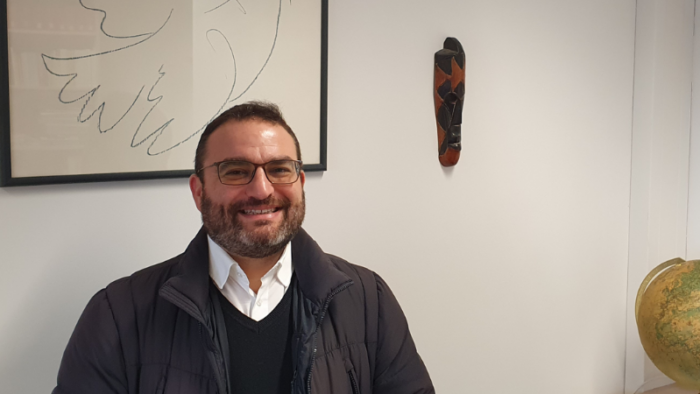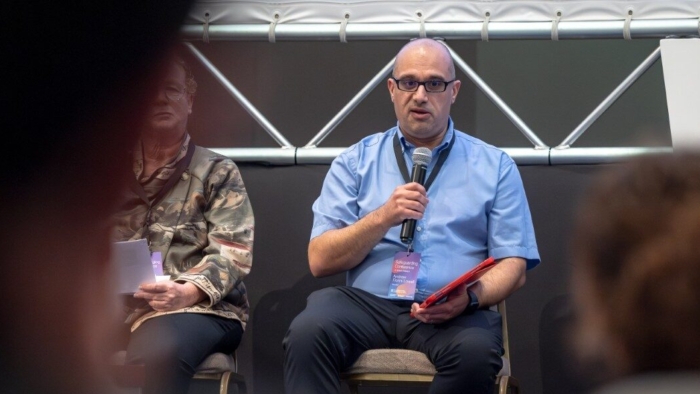

A Salesian, social worker and long-standing collaborator of the Safeguarding Commission, Fr Antoine Farrugia SDB reflects on how safeguarding practice has developed, what credible support looks like today, and how organisations can move from compliance to a living culture of care.
You have collaborated with the Safeguarding Commission over a number of years. How have you seen this work develop?
When I first became involved, the Commission was smaller and members were necessarily very hands-on in considering cases and developing structures and procedures. As safeguarding became more professionalised, assessment and the organisation and interpretation of evidence increasingly moved to dedicated staff with specialised expertise. The Advisory Board’s role developed accordingly towards oversight, reflection and accountability. What stands out most is the shared learning that has taken place. Safeguarding is now understood less as a response to allegations alone and more as a culture of care, accountability and prevention that should shape Church ministry and organisational life.
What safeguarding factors need stand out among children, young people and vulnerable adults today?
Some traditional protective factors, especially strong family and community networks, have weakened. At the same time, children and young people inhabit digital environments that many adults do not fully know. These bring opportunities, but also new risks and pressures. Modern life is also more fluid: young people move between family arrangements, communities, countries, social groups and online spaces. That can enrich life, but may also weaken belonging and leave people navigating important experiences alone. Safeguarding therefore requires attention not only to abuse and harm, but also to isolation, wellbeing, resilience and the quality of the relationships around a person.
What helps an organisation move from having policies on paper to creating a genuinely safer culture?
The shift begins when safeguarding stops being experienced as an external requirement and becomes something personal and close to home. Policies are essential, but a safer culture is created through everyday attitudes and relationships. Formation, reflection, accountability and a willingness to listen are all necessary. People need to feel responsible not only for avoiding wrongdoing themselves, but also for creating environments where dignity, trust, participation and respect can flourish. In the Salesian tradition, safeguarding is not simply about responding when something goes wrong; it is about fostering places where people can grow safely, confidently and with a sense of belonging.
How can people in pastoral, educational or youth settings become more attentive to signs that someone may be struggling or at risk?
We can easily miss what we are not actively looking for. Attentiveness therefore begins with formation and with developing an observant, reflective way of working. Safeguarding is not only about knowing procedures; it is also about noticing changes, patterns and circumstances that may point to concern. Genuine engagement matters. Young people do not always state their difficulties directly, so trust, attentive listening and interest in their lived experience are essential. Those who work with them also need to remain interested in the world they inhabit, including social trends and digital environments. Knowledge broadens our field of vision.
What role does formation play in safeguarding?
Formation is fundamental because safeguarding is not simply a body of information to learn. It shapes how people think, relate and exercise responsibility. Good formation develops awareness of boundaries, power dynamics, vulnerability and the responsibilities that come with positions of trust. It should also be ongoing rather than a one-off event. Over time, it strengthens self-awareness, attentiveness and accountability, and gives people greater confidence to respond appropriately when concerns arise. The better formed an organisation’s leaders, staff, volunteers and collaborators are, the more likely it is that concerns will be recognised early and people will feel safe enough to seek help.
What would you say to Church entities that want to strengthen safeguarding but are unsure where to begin?
Do not be overwhelmed by the size of the task. Begin by becoming familiar with safeguarding policies and guidance, and invest in good formation and training. Then put safeguarding into practice in concrete ways: make responsibilities clear, ensure people know how to raise concerns, discuss safeguarding regularly, review activities through a safeguarding lens, and provide appropriate training. Organisations do not need a perfect system before they begin. Each intentional step communicates that safeguarding matters. Ultimately, safeguarding is visible not only in policies, but in the quality of relationships, the attentiveness of leaders and the confidence people have to speak up.