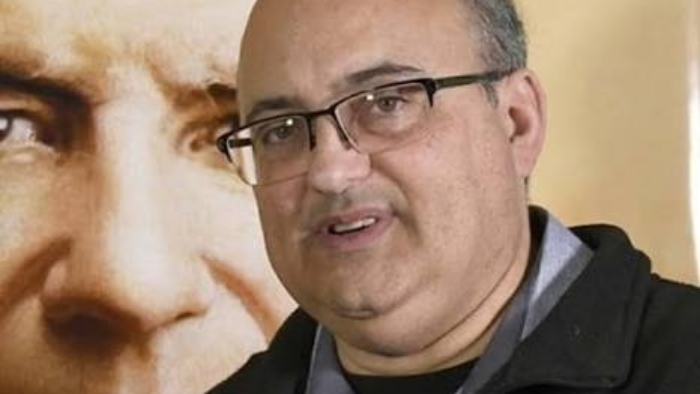
CARLY-PIC-expanded

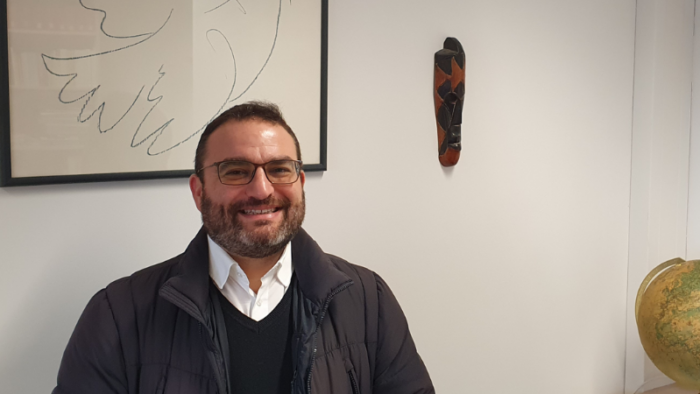
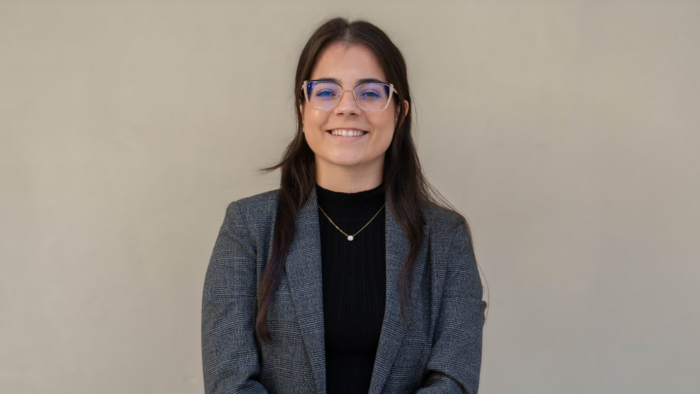
Q&A with Lead Safeguarding Officer, Ms Carly Attard Zarb

Ahead of the International Safeguarding Conference at the Pontifical Gregorian University in Rome, Ms Carly Attard Zarb reflects on safeguarding leadership, social work, prevention, and the formation of future practitioners.

You are facilitating one of the online working groups before the International Safeguarding Conference in Rome this June. What has that experience been like?

The preparatory phase has been an enriching and formative experience, bringing together practitioners from diverse cultural and professional contexts with a shared commitment to advancing safeguarding for children and vulnerable adults. It has provided a valuable platform for the exchange of knowledge, good practice, and perspectives across different systems and realities.

Representing the Safeguarding Commission of the Church in Malta in this context has been both an honour and a responsibility. I anticipate that both the preparatory work and the conference itself will highlight that, despite contextual differences, the core principles and values underpinning safeguarding remain universally shared and consistently upheld.

What does being Lead Safeguarding Officer involve?

While our safeguarding practice is inherently collaborative and grounded in shared responsibility, the role of Lead Safeguarding Officer has required a heightened level of accountability, particularly in overseeing investigations and assessments.

This has necessitated meticulous attention to detail, ensuring that processes are thoroughly followed and that safeguarding principles are consistently translated into practice. The role has also underscored the importance of supporting and guiding the team, bringing the different teams together, while working closely with and under the guidance of the Head of Safeguarding to uphold the highest professional standards.

Ultimately, it has demonstrated that leadership in safeguarding is defined by integrity, responsibility, and a steadfast commitment to those whose lives are impacted by our work.

How are safeguarding and social work connected?

Safeguarding is often narrowly perceived as the remit of child protection services or reduced to a matter of procedural compliance. In reality, it is a shared, cross-sectoral responsibility that extends beyond responding to risk once statutory thresholds are met.

Safeguarding encompasses prevention, early identification, ethical responsibility, responsiveness, and accountability. It converges with social work through shared values, principles, and ethical foundations. Safeguarding, similarly to social work, also demands a distinctly proactive and preventative approach, moving beyond risk management towards a culture of awareness, care, responsibility, and continuous improvement in practice.

What do you wish you had known about safeguarding at the start of your career?

Despite its inherent challenges, safeguarding can have a profound and meaningful impact when grounded in research, evidence-based practice, multidisciplinary collaboration, and strong ethical responsibility.

Experience has shown me that, when these elements are in place, safeguarding practice can truly make a difference in people’s lives and can become very rewarding on a professional-practice level.

What should Malta emphasise when forming future social workers in safeguarding?

I would advocate for greater emphasis on practical exposure to safeguarding preventative approaches, policy development, and safeguarding risk management procedures.

Strengthening these areas would better equip future social workers with the skills and insight needed to engage with safeguarding not only as a reactive function, but as a proactive and strategic aspect of professional practice.

Ms Carly Attard Zarb is Lead Safeguarding Officer at the Safeguarding Commission of the Church in Malta. Her work involves safeguarding investigations and assessments, multidisciplinary collaboration, prevention, policy awareness, and risk management.

image

Safeguarding: A Decade in Youth Ministry, by Benjamin Flores Martin

After a decade in youth ministry, I have witnessed the incredible “self-giving” sacrifice of hundreds of youth leaders across our island. These volunteers accompany young people through the most delicate stages of human development, adolescence and youth. However, true accompaniment requires more than just a willing heart, or creative programs it also requires a commitment to create safe environments (physically and relationally) as a priority.

Young people are not monoliths. Every young person carries their unique story, and every youth group has its own rhythm, style and focus. Because of this complexity, our focus must remain focus on the holistic formation and growth of every young person rather than the success of the organization itself.

In my experience, the best youth leaders are those who view safeguarding not as a checklist of “red tape,” but as the creation of a space of sacred encounter. The late Pope Francis often has referred to the heart of young people as sacred ground in which we must take off our shoes to draw nearer to them. When we create clear boundaries and have protocols in place, we are telling young people: “You are precious to us, and your wellbeing matters more than our organisation itself.” This is an essential foundation for discipleship which is genuine and has a holistic approach.

At a young age, weekend events like live-ins and retreats, become the building blocks of community life within the group, but they are also where the highest level of vigilance is required. These are often the first times a young person sleeps away from home or feels the freedom to voice deep vulnerabilities.

Being trained in safeguarding empowers a leader to:

  1. Anticipate Risks: Proactively managing the environment so accidents or misconduct are prevented.
  2. Listen Attentively: Recognizing “red flags” in conversations that a young person might be disclosing.
  3. Respond Correctly: Knowing exactly who to call so that the leader is never carrying a disclosure alone.

Adapting to current safeguarding standards included in our policy can feel like a hurdle with the limited time volunteers have on their hands but it is nonetheless an essential one. Our desire to help young people explore their dreams and talents must be matched by our commitment to protect them.

Let us continue to strive for a ministry where every young person knows that when they enter our doors, or join our retreats, they are entering a space where they are truly safe to grow.

Mr Benjamin Flores Martin began his youth ministry as a volunteer in a local youth group, and he has pursued advanced studies in spiritual accompaniment, theology, religious education, and youth ministry. He formerly served as Delegate for Youth at the Archdiocese of Malta.

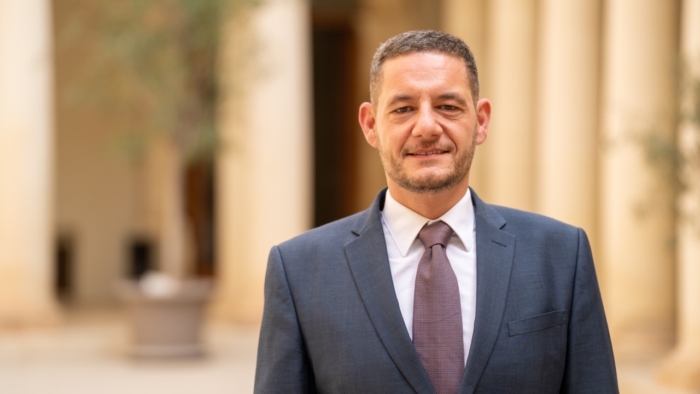
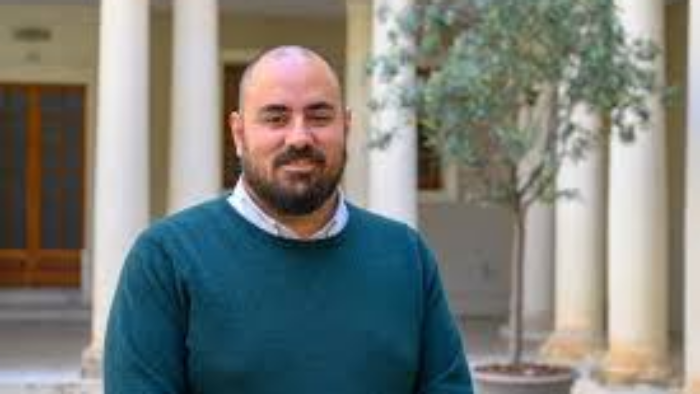
Mr Mark Pellicano, Head of Safeguarding

Message from Mark Pellicano, Head of Safeguarding

Welcome to this latest edition of the Safeguarding Commission’s newsletter for the Church in Malta. Through this newsletter, we continue to share updates, reflections, and developments that support our wider commitment to building a consistent safeguarding culture across all areas of Church life.

Earlier this month, we published the Safeguarding Commission’s Annual Report for 2025. The report highlighted the Commission’s work in prevention and training, support and advocacy for victims, preliminary investigations, and risk assessment. The public and media response showed clearly that safeguarding remains a matter of significant importance, and that this conversation must continue with openness, transparency, and responsibility.

In June, the Safeguarding Commission will participate in the International Safeguarding Conference at the Pontifical Gregorian University. This will provide an important opportunity to engage with safeguarding professionals, Church representatives, researchers, and practitioners from across the world, while continuing to learn from international developments and share our own experience and practice.

We have also begun our first outreach project, Listening Spaces, in collaboration with the Chaplaincy of the University of Malta. This pilot initiative provides a structured and reflective space for dialogue, awareness, and engagement around safeguarding within a Church-related setting.

We recently held a productive meeting with the Commissioner for Children ahead of the development of a child-friendly version of the Safeguarding Policy. This initiative reflects our commitment to making safeguarding accessible, understandable, and meaningful for children and young people.

These developments form part of the Commission’s wider work, including the ongoing review of the Safeguarding Policy ahead of its launch in November, research in collaboration with Discern, and continued awareness-raising through radio, online, and social media initiatives.

The Safeguarding Commission also remains committed to supporting organisations and institutions that seek consultation on safeguarding policies, practices, and structures. This support is offered to the private sector, voluntary organisations, different faith communities, and other dioceses.

We consider this work part of our mission to contribute to the Universal Church through the sharing of our experience and safeguarding practice. This is especially meaningful in light of the recognition reflected in the Annual Report of the Pontifical Commission for the Protection of Minors, Tutela Minorum, which encouraged other Episcopal Conferences to refer to our guidelines as an example of good practice.

Safeguarding formation also remains a central part of the Commission’s work. A programme of training sessions is taking place between May and November, including training with parish communities, chaplaincies, schools, and religious communities. Upcoming sessions include formation for all chaplains, as well as safeguarding training within educational and pastoral settings.

Through this newsletter, we aim to maintain regular communication about upcoming events, training sessions, key initiatives, and developments in the Commission’s work. We hope it will help sustain a culture of safety, accountability, trust, and wellbeing across the Church in Malta.