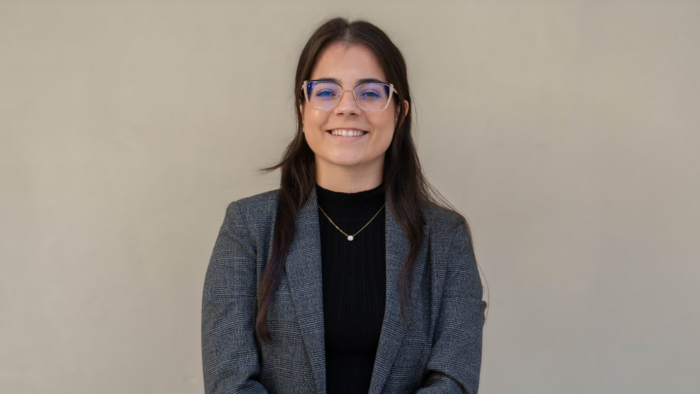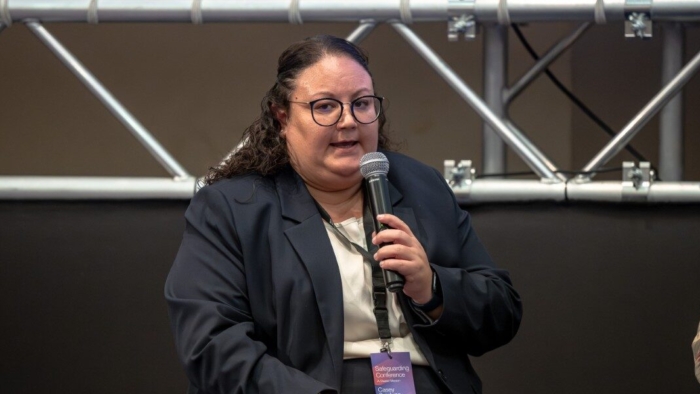
Dr Patricia Bonello is a social worker and Head of DISCERN, the Archdiocese of Malta’s research institute. Dr Bonello reflects on DISCERN’s collaboration with the Safeguarding Commission and its recent research concerning the care and accompaniment of Subjects of Complaint (SOCs).
This research marks one of the first formal collaborations between DISCERN and the Safeguarding Commission. From your perspective, what made this collaboration important?
DISCERN, as the Archdiocese’s Institute for Research on the Signs of the Times, is firmly committed to collaborating with entities both within and beyond the Archdiocese on research projects related to the Catholic Church in Malta. Safeguarding within Church communities is becoming increasingly important and, locally, the Safeguarding Commission is at the forefront of safeguarding initiatives, giving a clear sign that the Church needs to be a safe space for everybody and taking concrete action to make it safer.
When approached by the Safeguarding Commission to undertake this research, DISCERN therefore welcomed the opportunity, both to strengthen the evidence-based dimension of the Commission’s work and as a way of contributing to a safer Church.
What has the experience of conducting this research been like so far, especially when listening to different voices and contexts within Church life?
The care of Subjects of Complaint (SOCs), which was the focus of this research, is a sensitive and complex area. Throughout the research, particular care was given to listening attentively and respectfully to the different experiences and perspectives that emerged.
One consistent message was that the safety, care and needs of victims and survivors must remain the central priority in safeguarding. At the same time, participants reflected on the challenges involved in responding appropriately to SOCs and in supporting those who accompany them through safeguarding processes.
The research has highlighted the importance of clear structures of care, appropriate support, and a safeguarding approach that holds together compassion, accountability and the prevention of further harm. It has also shown the value of listening carefully to the different people affected by safeguarding processes and recognising the complexity of the situations involved.
Without going into the findings themselves, were there any aspects of the research process that helped you see safeguarding work in a new or deeper way?
The research reinforced how important it is for safeguarding systems to provide appropriate care and support to everyone affected by a safeguarding process, while keeping the safety and needs of victims and survivors at the centre.
It also highlighted the complexity of accompaniment. Supporting a Subject of Complaint (SOC) can require careful boundaries, clarity of roles and appropriate structures, particularly where several people or communities are affected by the same situation.
More broadly, the research showed that safeguarding is not only about responding to individual concerns. It also involves supporting the wider communities affected, strengthening accountability and helping to create conditions in which further harm is less likely to occur.
Why is research of this kind important for strengthening safeguarding practice, policy and accountability in Malta and Gozo?
Effective safeguarding depends on clear policies, sound practice and strong structures of accountability. Research helps ensure that these are informed not only by principles and standards, but also by the experiences of people involved in safeguarding processes.
This project also explored an area that can sometimes receive less attention: appropriate care for the Subject of Complaint. An SOC is a person against whom a safeguarding concern or allegation has been raised; the term does not in itself mean that the allegation has been substantiated.
Respect for the dignity of an SOC does not lessen the priority given to victims and survivors, nor does support replace accountability. Where harmful behaviour is established, appropriate support can form part of a wider response that promotes responsibility, addresses risk and seeks to prevent further harm.
Research of this kind can therefore help safeguarding practice continue to develop in ways that are evidence-based, accountable and attentive to the complexity of real situations.
As this work moves towards being shared more widely, what do you hope people will take from the research and from this collaboration?
I hope the research helps people recognise that the care of Subjects of Complaint is a difficult but necessary part of a comprehensive safeguarding response. Appropriate support can be provided while maintaining the safety, dignity and priority owed to victims and survivors.
The collaboration between DISCERN and the Safeguarding Commission also shows the value of bringing research and safeguarding practice into conversation. Research can offer a critical and independent perspective, while safeguarding practice brings experience of the realities and challenges encountered in this field.
By working together, the two organisations can continue to examine difficult questions carefully and constructively, with the wider aim of strengthening safeguarding practice within the Church.
For more information about DISCERN, please visit: https://discern.mt