
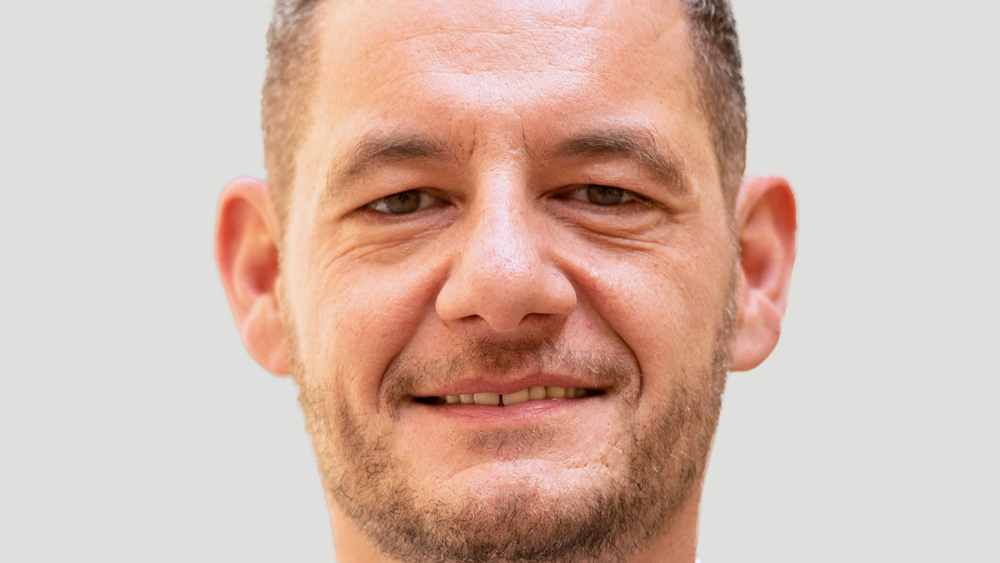
I am pleased to introduce the first edition of the Safeguarding Commission’s newsletter for the Church in Malta. This initiative forms part of our ongoing commitment to strengthening a consistent safeguarding culture across all areas of Church life.
Over the past year, several significant milestones have shaped our work. Last year, we held the first national Safeguarding Conference, bringing together clergy, religious, parish representatives, and professionals to deepen shared understanding and shared responsibility.
On the 17th of this month, we formalised our collaboration with the Victim Support Agency through a Memorandum of Understanding. This agreement establishes clear referral pathways, strengthens coordinated victim care, and supports harmonisation with statutory authorities in Malta. It reflects a shared commitment to professional cooperation, clarity of roles, and the consistent application of safeguarding standards.
We also had the opportunity to visit the Diocese of Kaunas in Lithuania, which enabled meaningful exchange and the sharing of our work on safeguarding structures and practices. The visit offered valuable insight into approaches for the prevention of and response to safeguarding concerns, and facilitated constructive dialogue on shared realities faced by dioceses.
We also continued reviewing the implementation of the Safeguarding Policy adopted by the Church in Malta and Gozo, primarily by consulting with victims, complainants and subjects of complaints to ensure that lived experience informs procedural clarity. Consultation meetings have also been held with professionals, Church personnel, clergy and major stakeholders. In parallel, we are working with the Commissioner for Persons with Disability to ensure that our policies and communications are accessible and intelligible to all. A revised version of the Safeguarding Policy is set to be published in the coming months.
Research on safeguarding measures has also been a key element in the work that we have been doing, mainly in collaboration with Discern. This research aims to strengthen evidence-based practice, identify gaps in current safeguarding responses, and ensure that the revised policy reflects both international standards and the local realities of the Church.
The Safeguarding Commission also aims to further strengthen awareness of safeguarding. Twelve radio programmes were broadcasted on RTK103, an ongoing online and social media campaign is being implemented, and regular meetings are being held to further promote understanding of safeguarding.
This newsletter is intended as a practical point of contact for our upcoming events, training sessions, and key initiatives, as well as a concise quarterly digest of the Commission’s work. Through it, we aim to maintain regular communication, strengthen awareness, and support a culture of safety, accountability, and wellbeing.