Mark-Pellicano

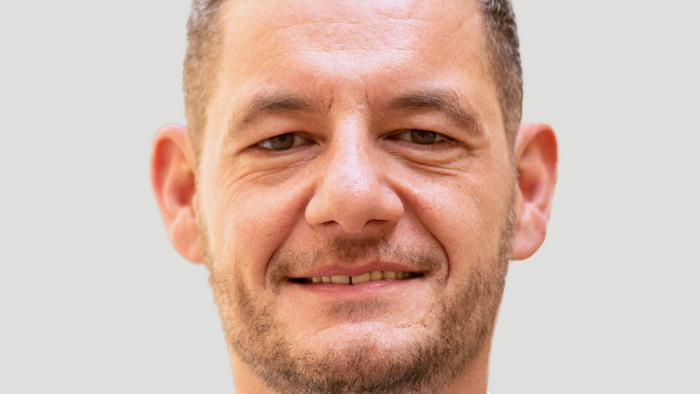
Message from Mark Pellicano, Head of Safeguarding

I am pleased to introduce the first edition of the Safeguarding Commission’s newsletter for the Church in Malta. This initiative forms part of our ongoing commitment to strengthening a consistent safeguarding culture across all areas of Church life.

Over the past year, several significant milestones have shaped our work. Last year, we held the first national Safeguarding Conference, bringing together clergy, religious, parish representatives, and professionals to deepen shared understanding and shared responsibility.

On the 17th of this month, we formalised our collaboration with the Victim Support Agency through a Memorandum of Understanding. This agreement establishes clear referral pathways, strengthens coordinated victim care, and supports harmonisation with statutory authorities in Malta. It reflects a shared commitment to professional cooperation, clarity of roles, and the consistent application of safeguarding standards.

We also had the opportunity to visit the Diocese of Kaunas in Lithuania, which enabled meaningful exchange and the sharing of our work on safeguarding structures and practices. The visit offered valuable insight into approaches for the prevention of and response to safeguarding concerns, and facilitated constructive dialogue on shared realities faced by dioceses.

We also continued reviewing the implementation of the Safeguarding Policy adopted by the Church in Malta and Gozo, primarily by consulting with victims, complainants and subjects of complaints to ensure that lived experience informs procedural clarity. Consultation meetings have also been held with professionals, Church personnel, clergy and major stakeholders. In parallel, we are working with the Commissioner for Persons with Disability to ensure that our policies and communications are accessible and intelligible to all. A revised version of the Safeguarding Policy is set to be published in the coming months.

Research on safeguarding measures has also been a key element in the work that we have been doing, mainly in collaboration with Discern. This research aims to strengthen evidence-based practice, identify gaps in current safeguarding responses, and ensure that the revised policy reflects both international standards and the local realities of the Church.

The Safeguarding Commission also aims to further strengthen awareness of safeguarding. Twelve radio programmes were broadcasted on RTK103, an ongoing online and social media campaign is being implemented, and regular meetings are being held to further promote understanding of safeguarding.

This newsletter is intended as a practical point of contact for our upcoming events, training sessions, and key initiatives, as well as a concise quarterly digest of the Commission’s work. Through it, we aim to maintain regular communication, strengthen awareness, and support a culture of safety, accountability, and wellbeing.

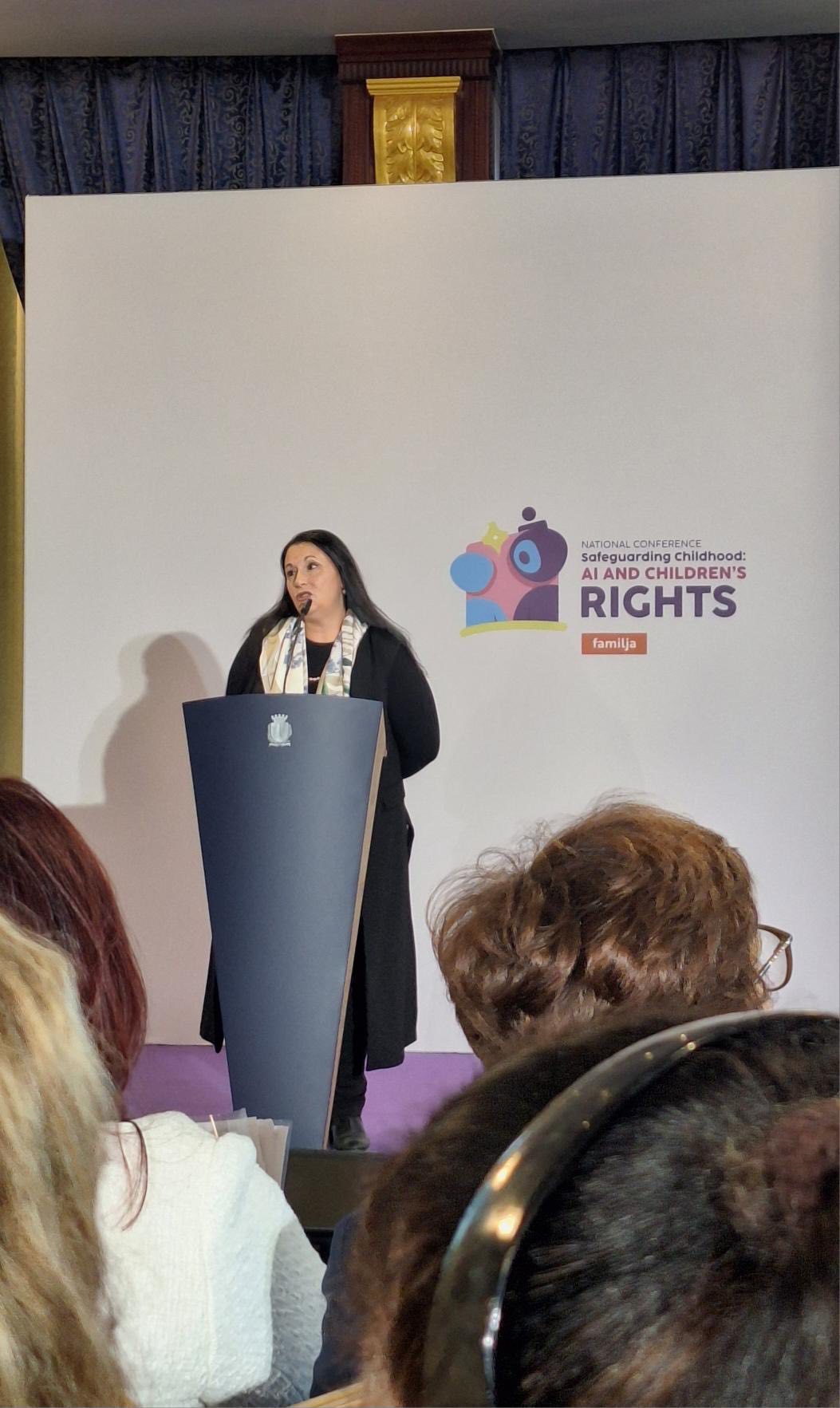
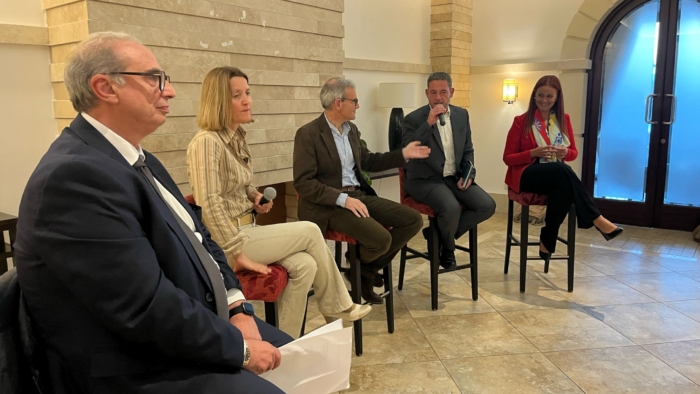
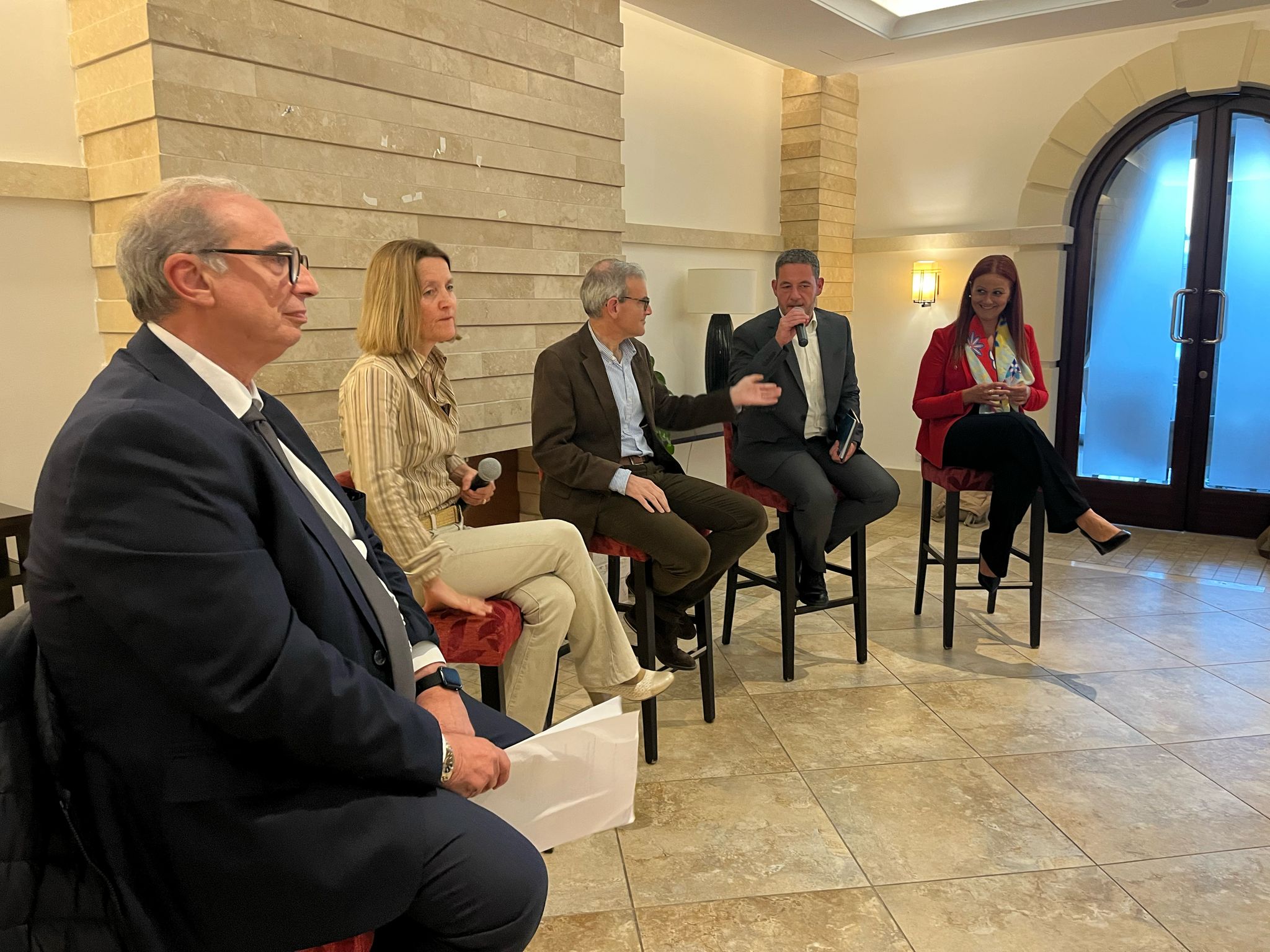
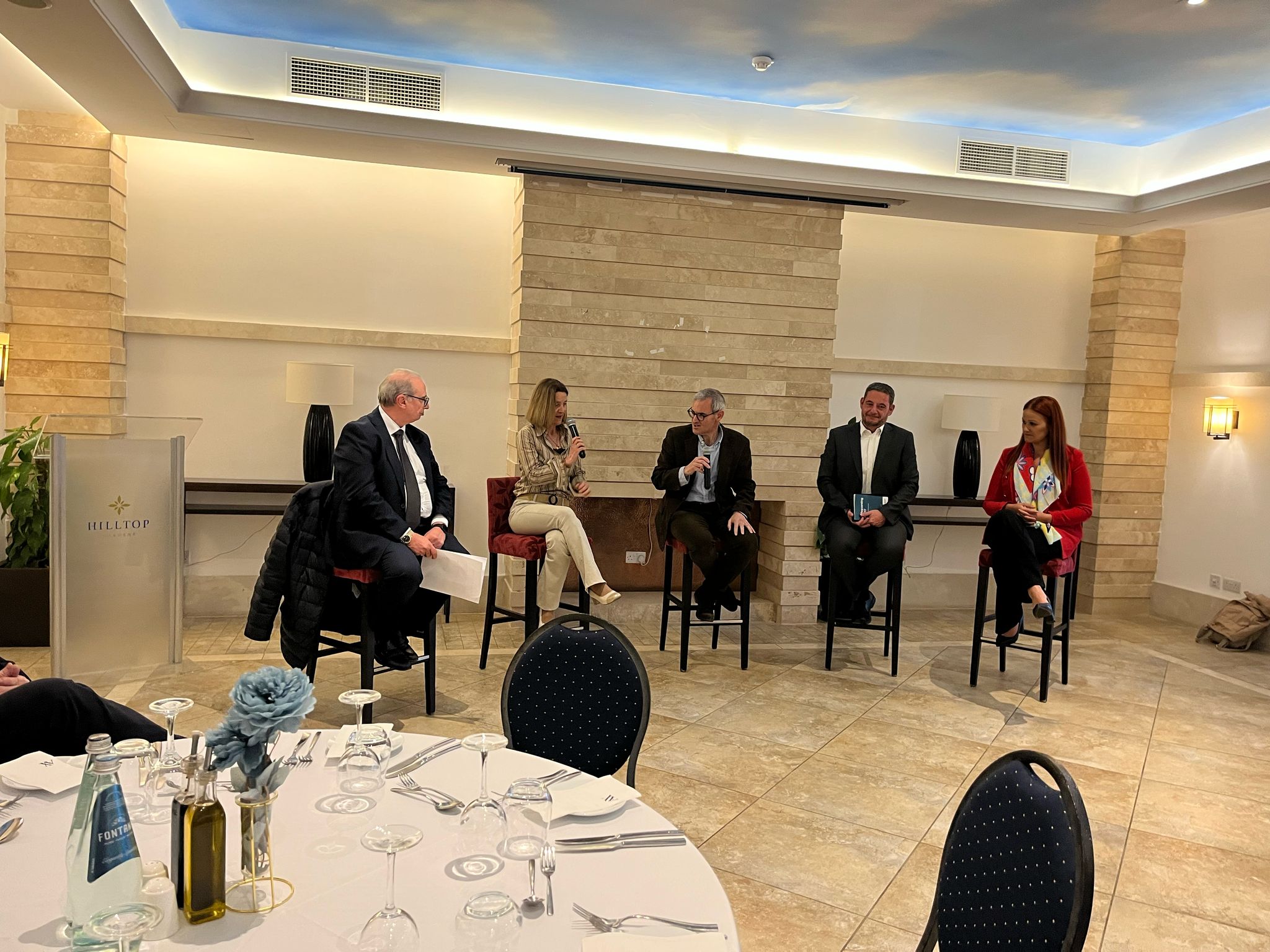
L-Arċisqof jiftaħ il-konferenza tas-Safeguarding fiċ-Ċentru Animazzjoni u Komunikazzjoni (ĊAK) f’Birkirkara. Mistieden bħala kelliem ewlieni l-Isqof Ali Herrera, is-Segretarju tal-Kummissjoni Pontifiċja għall-Ħarsien tal-Minuri - 13/11/25

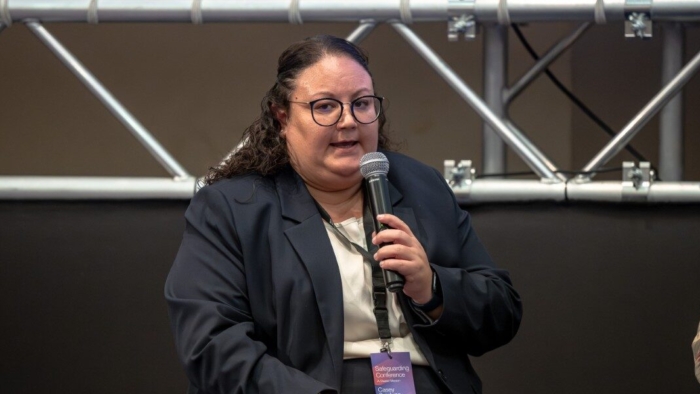
Q&A – Casey Scicluna

Casey Scicluna

Senior Manager, Richmond Foundation’

Where do you most often see safeguarding misunderstood or reduced within mental healthcare?

Safeguarding in mental healthcare is most often reduced to procedural compliance rather than understood as a continuous, relational responsibility. It is frequently treated as synonymous with reporting abuse to authorities or completing risk assessment forms, rather than as an embedded ethos of care. In many settings, safeguarding becomes conflated with risk management — particularly the management of risk to others — rather than protection from harm, coercion, neglect, or systemic failure.

Another common misunderstanding is equating safeguarding solely with children’s services or with severe physical abuse. In adult mental healthcare, issues such as overmedication, inappropriate use of restrictive practices, financial exploitation, digital vulnerability, or institutional neglect may not be recognised as safeguarding concerns.

What makes safeguarding distinct from, but inseparable from, good clinical care?

Safeguarding is distinct because it focuses specifically on protection from harm, abuse, neglect, exploitation, and violations of rights. It introduces legal, ethical, and human rights frameworks that extend beyond symptom treatment or diagnosis. Good clinical care may reduce particular mental health challenges whilst safeguarding ensures that, in doing so, the person’s dignity, autonomy, and safety are preserved.

However, safeguarding should be an integral part of good care because harm in mental health settings can occur through clinical processes themselves — for example, inappropriate restraint, failure to obtain informed consent and lack of trauma-informed approaches. A technically competent intervention delivered without attention to power imbalance or vulnerability can inadvertently create harm.

What struck you most about how safeguarding was framed at the Safeguarding Commission 2025 conference?

What stood out most was the shift from viewing safeguarding as reactive investigation toward understanding it as systemic prevention. The emphasis appeared to move beyond incident response and toward culture, governance, and accountability.

What concrete vulnerabilities in Maltese mental healthcare need clearer safeguarding responses?

In Malta, centralisation of services may create safeguarding pressures. Mental Health Facilities can carry significant demand or aging infrastructure can heighten risks related to privacy, dignity and institutional neglect.

Limited community alternatives may increase reliance on inpatient care and restrictive practices.  Transitions, such as movement from child to adult services, present vulnerability point requiring coordinated safeguarding oversight.

Malta’s close-knit social structure may complicate confidentiality and reporting. Stigma remains a safeguarding concern; when individuals with mental illness are perceived as unreliable, disclosures of harm may be discounted.

If Malta treated safeguarding in mental health as a national priority, what would need to change first?

If safeguarding in mental health were to be treated as a true national priority in Malta, the first essential change would be the development of a comprehensive, unified national safeguarding framework specifically tailored to mental health services. While safeguarding responsibilities currently sit across health, social services, and legal structures, greater clarity, coordination, and accountability are needed. A national strategy should clearly define reporting procedures, interagency collaboration, risk management standards, and oversight mechanisms.

Investment in workforce development would also be critical. Mandatory and ongoing training in trauma-informed care, risk recognition, and early intervention should extend beyond mental health professionals to educators, community workers, and law enforcement.

Improved data collection and monitoring systems would strengthen transparency and allow for evidence-based planning. Finally, meaningful service user and family involvement in policy design would be necessary. Sustainable safeguarding depends not only on legislation, but on fostering a culture that consistently prioritises prevention, dignity, and timely response across all services.

L-Arċisqof jiftaħ il-konferenza tas-Safeguarding fiċ-Ċentru Animazzjoni u Komunikazzjoni (ĊAK) f’Birkirkara. Mistieden bħala kelliem ewlieni l-Isqof Ali Herrera, is-Segretarju tal-Kummissjoni Pontifiċja għall-Ħarsien tal-Minuri - 13/11/25

Integrating Safeguarding into Professional Life – Andrew Fiorini Lowell

Safeguarding is often associated with policies, reporting pathways, and designated roles. Yet safeguarding becomes truly effective not when a document is written, but when it shapes how professionals think, plan, and act every day. It is less a procedure to activate in crisis and more a professional mindset that influences routine decisions, relationships, and organisational culture.

The Safeguarding Commission of the Church in Malta highlights prevention, safe environments, and ongoing formation as central pillars of safeguarding. This reflects an important principle: safeguarding works best before things go wrong. It is embedded in the way environments are structured, how responsibilities are clarified, and how power and vulnerability are understood within organisations.

In practice, safeguarding begins long before any concern is raised. It is present when leaders ensure appropriate supervision ratios, when communication channels are clearly defined, and when expectations around conduct are explicitly discussed rather than assumed. These measures may appear procedural, yet they reduce ambiguity, and ambiguity is often where risk quietly develops. Predictable systems and transparent processes create safety not only through control, but through clarity.

Safeguarding also becomes visible in everyday professional habits. It is reflected in how promptly a low-level concern is documented, how seriously uncertainty is taken, and whether professionals pause when something feels slightly “out of place.” The Church’s Safeguarding Policy (2024) reinforces standards of conduct, appropriate boundaries, and accountability, while Maltese law through the Protection of Minors (Registration) Act (POMA) underlines the importance of safe recruitment and vetting. Together, these frameworks provide structure but it is daily behaviour that gives them life.

Clear professional boundaries do not distance adults from those in their care; rather, they create the conditions for safe trust. Using agreed communication channels, ensuring interactions are observable and accountable, and maintaining transparency in decision-making are not bureaucratic exercises. They are protective practices that model integrity and shared responsibility.

Supervision and consultation further demonstrate safeguarding as lived competence. Where teams are encouraged to reflect openly, raise questions early, and discuss uncertainty without fear of blame, reporting becomes normalised rather than exceptional. A healthy reporting culture does not signal crisis; it signals awareness. It ensures that concerns are surfaced early, proportionately assessed, and appropriately addressed.

Safeguarding, therefore, cannot rest solely with a designated officer. While Safeguarding Officers coordinate processes, safeguarding culture belongs to the whole organisation. Leadership sets the tone through consistency, visibility, and adherence to procedure. When policies are applied reliably not selectively, safeguarding becomes part of institutional reflexes rather than an external obligation.

In Malta’s close-knit professional and voluntary environments, where relationships often intersect across sectors, this consistency is particularly important. Clear structures and shared expectations provide stability beyond individual personalities.

Safeguarding is not an additional task layered onto professional life. It is a way of working attentive, reflective, and accountable. When safeguarding informs daily practice, supervision, and leadership behaviour, it moves from being reactive to being preventative, actively strengthening the safety and trust of our communities.


References

  • Safeguarding Commission of the Church in Malta
  • Safeguarding Commission & the Archdiocese of Malta (2024). Safeguarding Policy
  • Protection of Minors (Registration) Act (POMA), Laws of Malta
November 2025 colloquium conference

Conferences attended by the Safeguarding Office

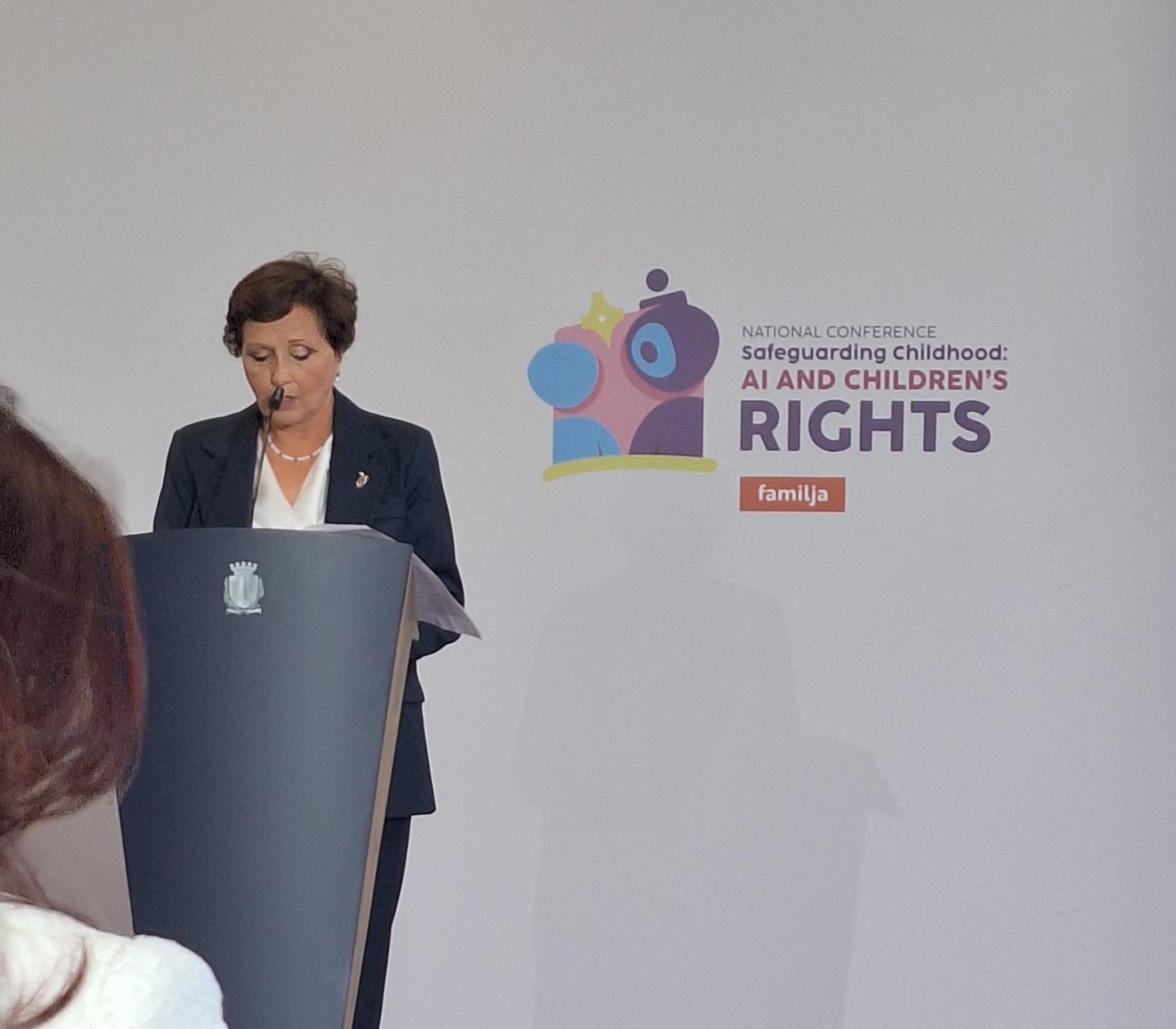
Members of the Safeguarding Commission present for the National Conference organised by the Commissioner for Children celebrating International Children’s Day

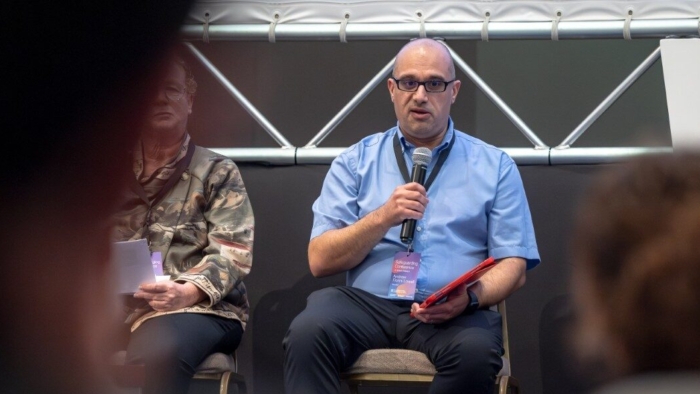
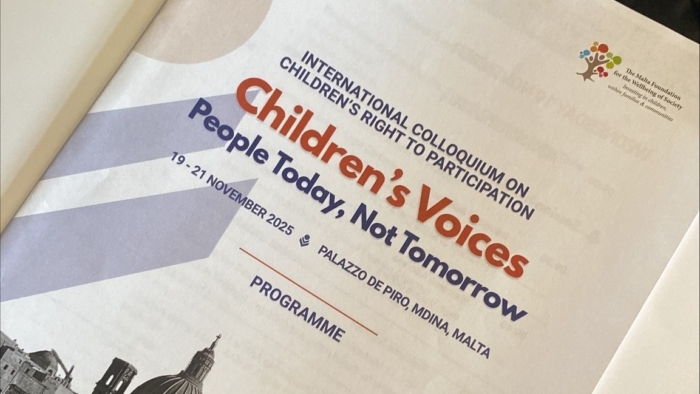
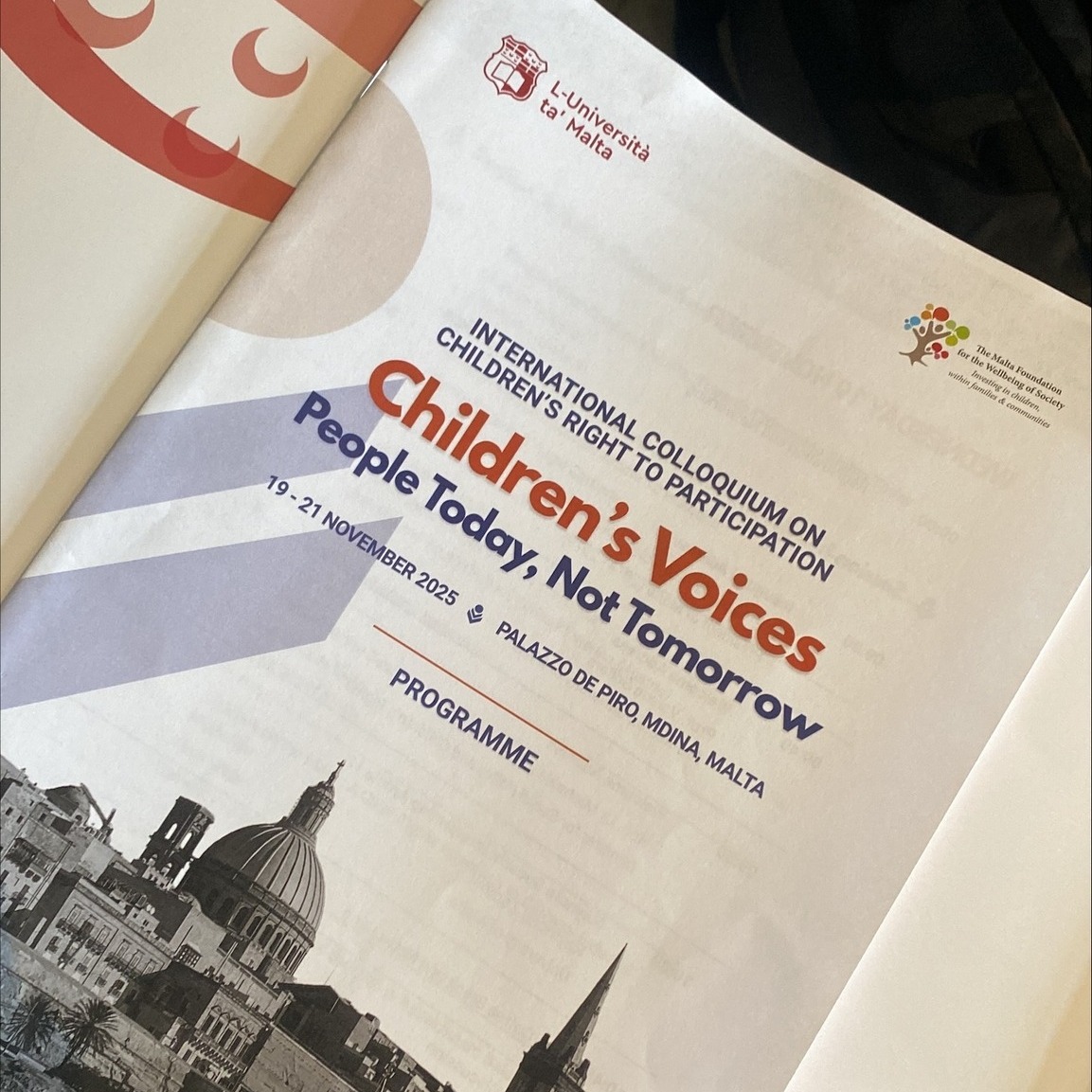
Members of the Safeguarding Commission attended the International Colloquium on Children’s Right to Participation Children’s Voices: People Today, Not Tomorrow 

Conference latest news

Safeguarding Conference

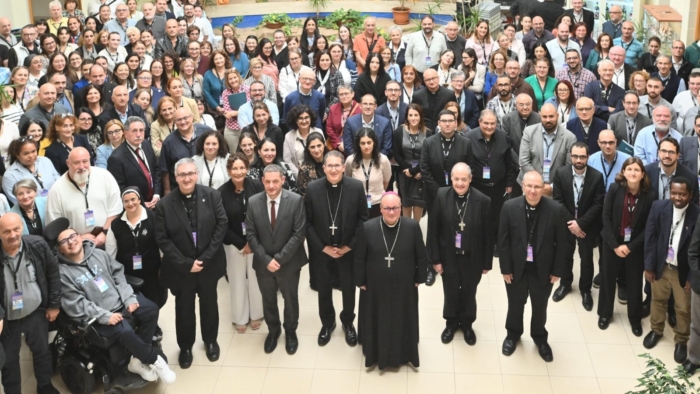
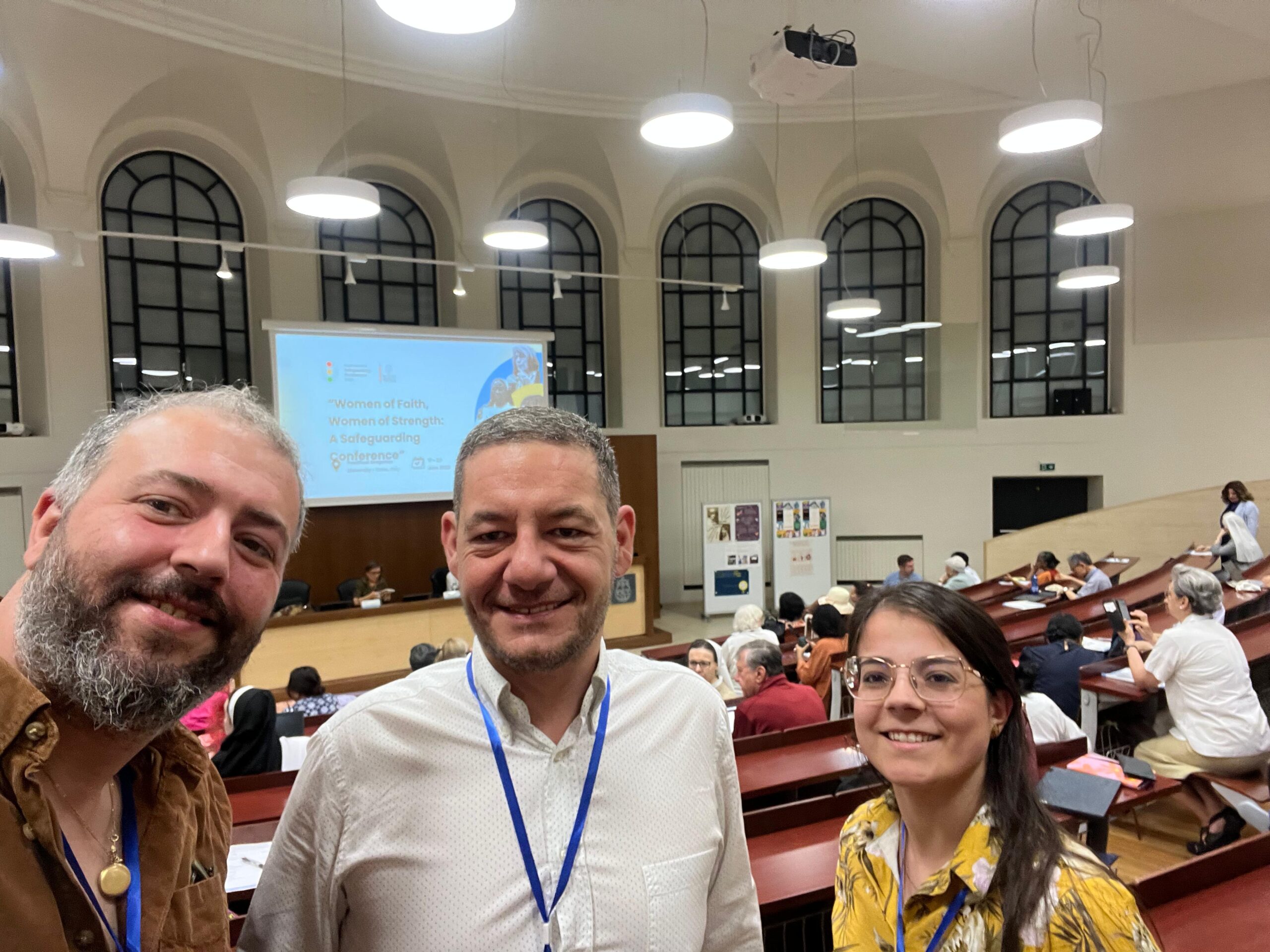
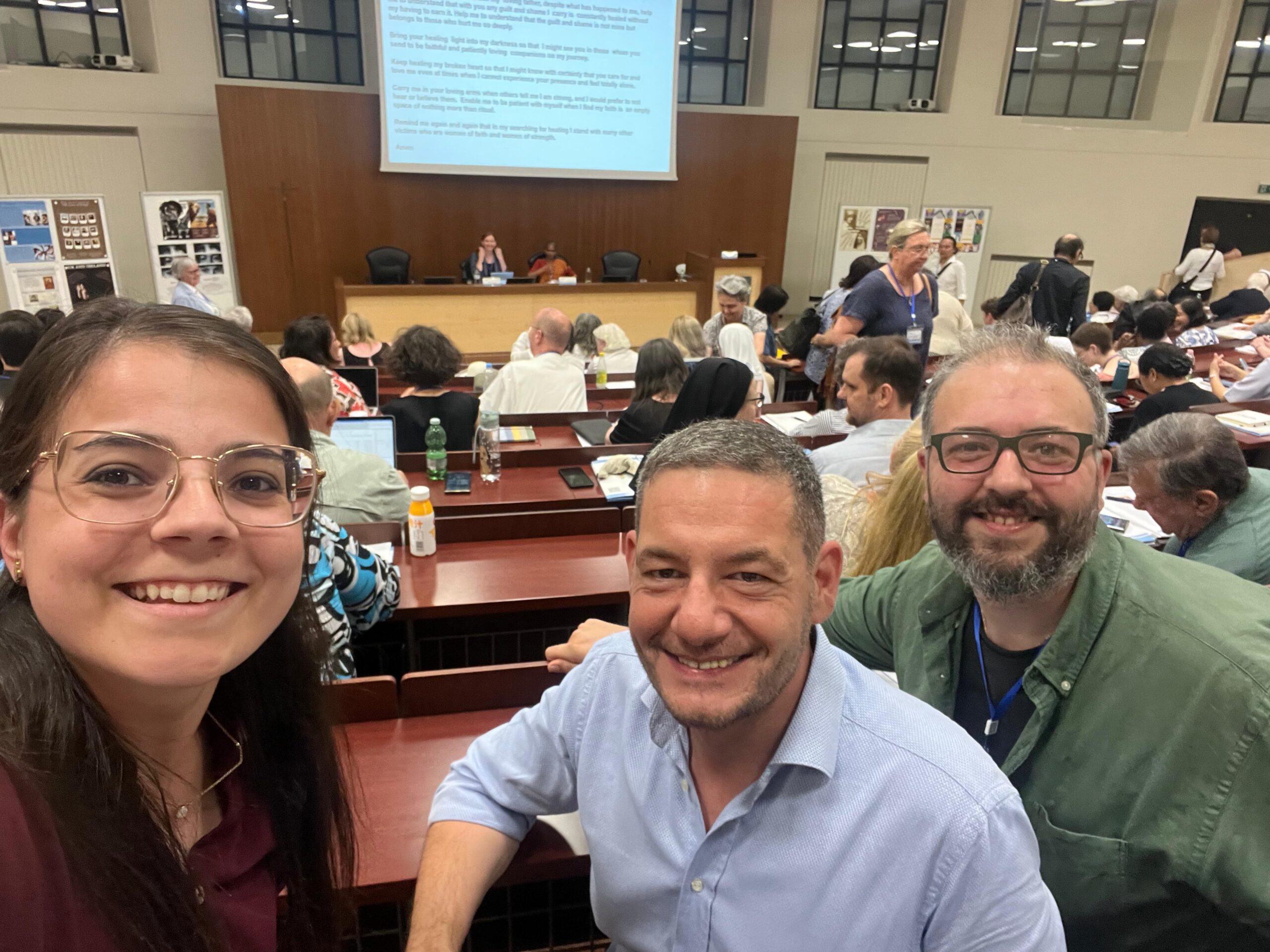
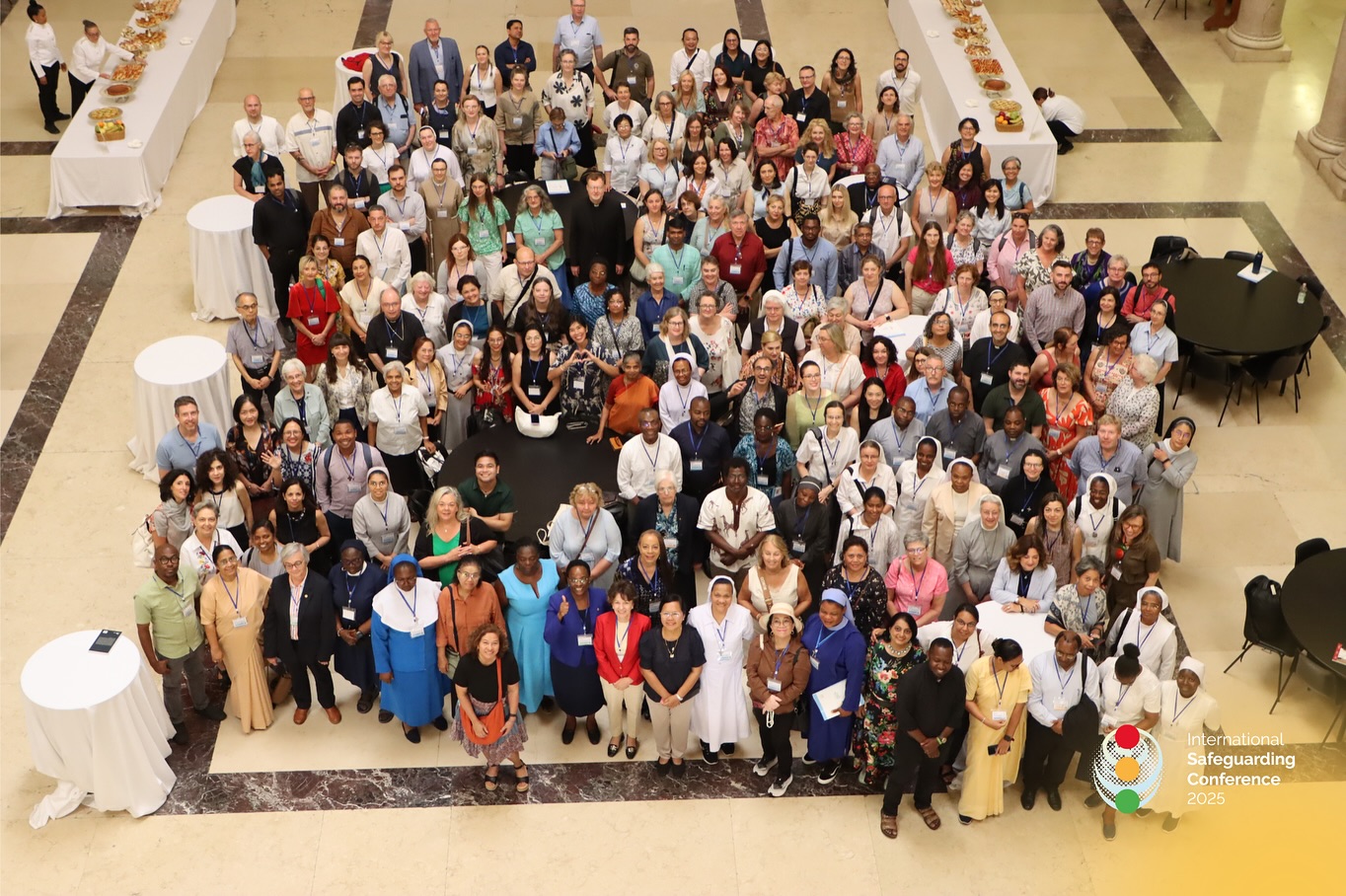
On 13 November 2025, the Safeguarding Commission welcomed participants to the inaugural Safeguarding Conference, hosted by the Archdiocese of Malta in collaboration with Newsbook Malta. Bringing together perspectives from the Church, public authorities, and professional practice, the conference created a shared space for learning, reflection, and the strengthening of a culture of safety and care for all.

Inglese_web_Page_001

Tutela Minorum, has praised the Malta Church’s Safeguarding Commission

The Vatican’s Commission for the Protection of Minors, Tutela Minorum, has praised the Malta Church’s Safeguarding Commission for its “exemplary” guidelines, recommending them as a model for other episcopal conferences.

In its 2024 Annual Report, the Commission highlighted Malta’s victim-centred approach, professional standards, and commitment to transparency through the publication of safeguarding data and policies online.

2025 10 10 - SC rtk mic

Launch of Radio Programme Series

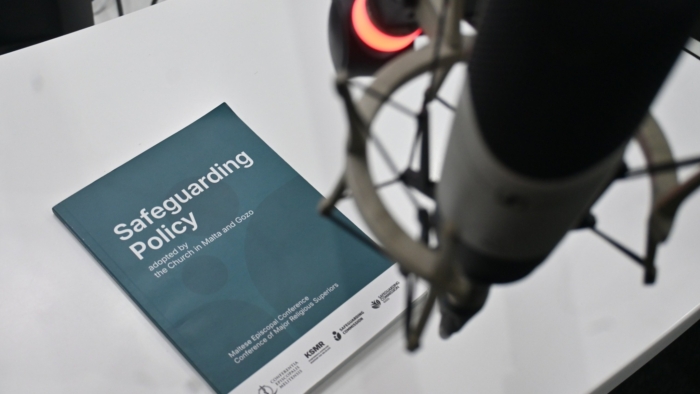
In collaboration with RTK103, the Safeguarding Commission has launched a radio programme series, to discuss important safeguarding topics. These topics address safeguarding in our communities, including child protection, support for vulnerable adults, and online safety.

This series is part of the Safeguarding Commission’s ongoing mission to raise awareness, educate, and empower everyone to play their part in creating safe environments for all within the Church.

WhatsApp Image 2025-09-03 at 11.50.37_4f004777

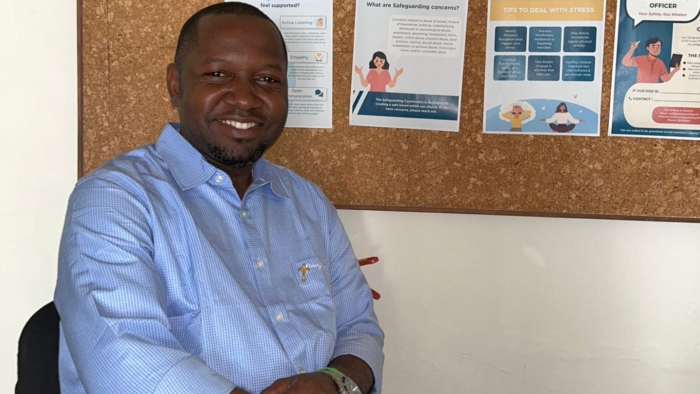
Fr Yona Richard Tarimo Internship with Safeguarding Commission Office

Fr Yona Richard Tarimo is a Roman Catholic priest belonging to the Roman Catholic diocese of Kahama, Tanzania. Fr Yona holds a diploma in philosophy and a bachelor’s degree in theology. He is currently pursuing the Licentiate in Interdisciplinary Studies on Human Dignity and Care with a focus on Safeguarding at the Pontifical Gregorian University in Rome. As part of his academic training, he is currently doing an internship at the Safeguarding Commission Office in Malta.

Fr Yona shared “I am looking forward to learn a lot and get experience from the practical setting of the Safeguarding Commission in Malta as to use the same experience in Safeguarding Children and the vulnerable adults in my context”